How to Resuscitate the Theatrical Business
This post was originally published on Substack: https://alexiamelocchi.substack.com/p/how-to-resuscitate-the-theatrical
The fireside chat at this year’s Produced By Conference, organized by the Producers Guild of America, featured a fascinating conversation with Jason Blum of Blumhouse and James Wan of Atomic Monster. On the surface, it was a discussion about the obvious success of horror films. In reality, it was a masterclass in how creative businesses survive, evolve, and stay relevant in a rapidly changing world.
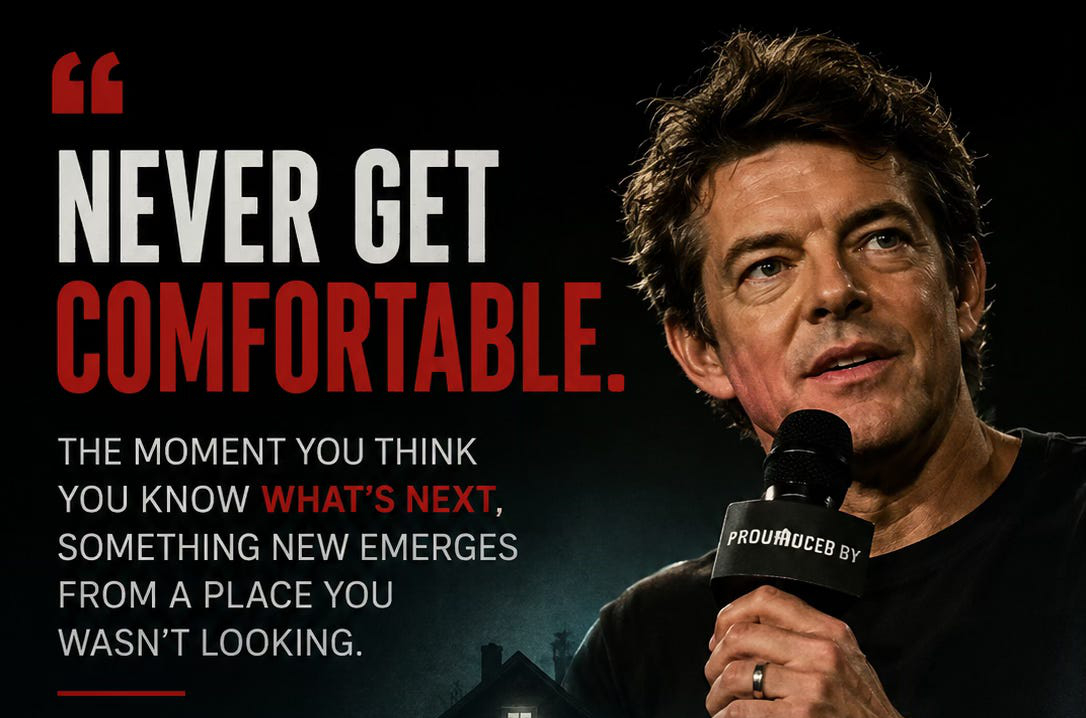
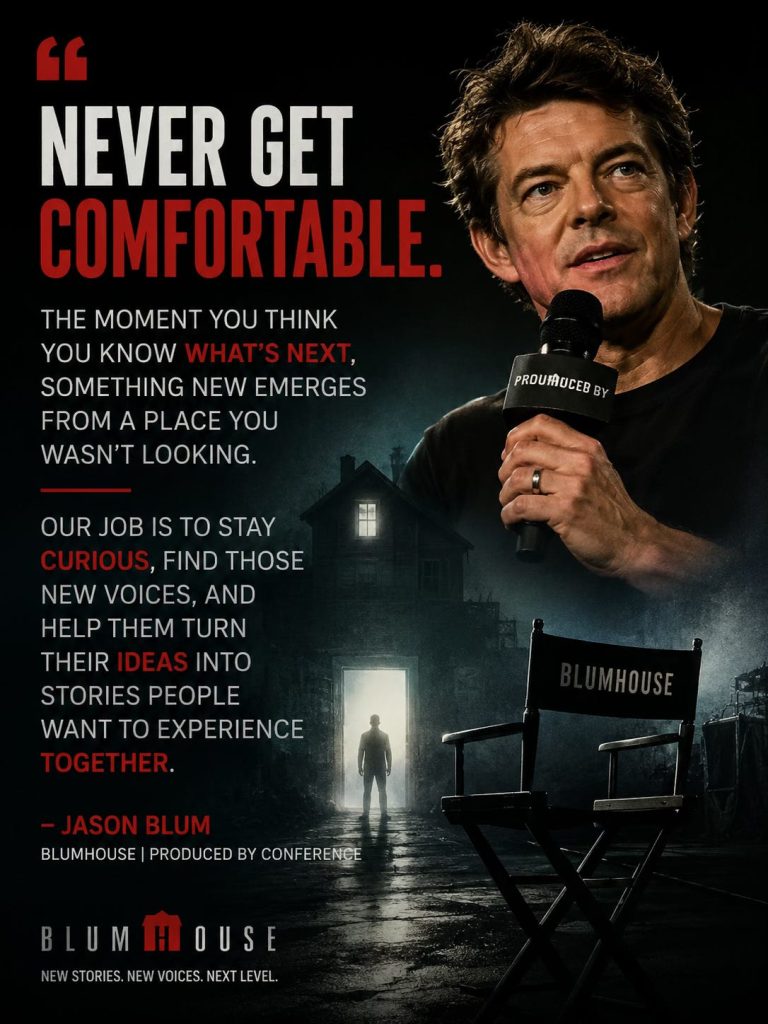
One statement from Jason Blum truly summed it up.
“Never get comfortable.”
Simple words and yet incredibly powerful.
For years, Hollywood has been navigating uncertainty. Between streaming, changing audience habits, shrinking theatrical windows, AI, social media disruption, and shifting economics, many have questioned whether the traditional movie business still has a future.
Jason Blum’s answer was surprisingly optimistic.
His belief is that a new generation of creators is emerging—not from traditional film schools, but from YouTube, TikTok, gaming platforms, and online communities. These creators understand audiences in a way that many traditional filmmakers never had the opportunity to.
What’s their secret sauce?
They receive immediate feedback.
They know what engages people. They know when viewers tune out. They understand community building, audience behavior, and emotional connection.
Rather than dismissing these creators, Blumhouse and Atomic Monster are actively seeking them out.
One of the most fascinating stories involved “Backrooms,” a viral online horror phenomenon that dethroned Star Wars and was created by a teenager. Instead of viewing it as internet content, they saw the spark of a filmmaker and the potential for it to become a raging box-office fire.
Potential.
That distinction matters.
As producers, our job isn’t simply to find polished talent. It’s to recognize raw talent and provide the infrastructure that allows it to grow.
That may be one of the most important lessons in producing.
The Audience Is Not The Enemy
Another insight that landed was how differently digital-native creators approach audience feedback.
Traditional filmmakers often view test screenings with anxiety. Many see audience reactions as something to endure.
The younger generation sees them as invaluable information.
They obsess over audience response.
They genuinely want to understand what works and what doesn’t.
As someone who has spent decades in international distribution, I found this particularly interesting because distribution has always been about understanding audience behavior. Buyers don’t purchase films in a vacuum. They purchase projects because they believe there is an audience for them.
The creators who thrive tomorrow will likely be those who combine artistic vision with audience awareness.
Creative Freedom Still Wins
One of the most inspiring moments came when James Wan spoke about why he originally partnered with Jason Blum and why they reunited to create a unified company that shares the same business model but has its own unique voice.
The answer wasn’t money or prestige.
It was freedom.
Blumhouse became successful because it trusted filmmakers. The model was simple:
Keep budgets under control and give creators room to execute while supporting their vision.
This philosophy led to franchises such as Insidious and many other breakout successes.
In an era when many creators feel constrained by algorithms, trends, and endless notes, it was refreshing to hear a reminder that creativity still matters and can serve both the audience and the business of show business.
Reinvention Is Not Optional
Perhaps the most valuable takeaway for producers, entrepreneurs, authors, and business owners alike is this:
The companies that survive are the ones willing to evolve before they are forced to.
Jason Blum openly discussed how Blumhouse recently made significant internal changes after a period where certain projects weren’t performing as expected.
Many leaders would hide that; he embraced it and admitted that adjustments were necessary.
He hired new people and sought to explore new creative voices.
That mindset is what separates longevity from temporary success.
My Biggest Takeaway
After nearly 30 years attending markets, working in distribution, producing projects, negotiating deals, and helping creators navigate the entertainment industry, one truth continues to reveal itself:
Success rarely belongs to the people who know everything.
It belongs to the people who stay curious.
Jason Blum and James Wan could easily rely on formulas that worked in the past.
Instead, they continue searching and listening.
And perhaps most importantly, they continue betting on the next generation.
Whether you’re a filmmaker, author, entrepreneur, or creative professional, there is a lesson here:
Stay adaptable.
Stay connected to your audience.
And never become so successful that you stop being curious.
Because the future usually arrives from places nobody is looking or where everyone is-in the Tube
💡 Question for my network:
What is one change happening in your industry right now that others may be overlooking—but you believe could create tremendous opportunity over the next five years?
I would love your thoughts.
You can also follow my Substack newsletter here: https://alexiamelocchi.substack.com/
Leave a Reply
You must be logged in to post a comment.